

You went to bed at a reasonable hour. You slept for seven, eight, or even nine hours. Yet when you wake up, you still feel exhausted. Many people wonder, Why Am I Still Tired After a Full Night of Sleep, even when they seem to get enough rest.
If this sounds familiar, you are not alone.
Many people assume that spending enough time in bed automatically means they are getting quality sleep. Unfortunately, that is not always the case. While poor sleep habits can certainly contribute to fatigue, waking up tired after a full night of sleep may be a sign of an underlying sleep disorder, including obstructive sleep apnea.
If you consistently feel tired despite getting what appears to be enough sleep, it may be time to investigate the cause.
Sleep Quantity and Sleep Quality Are Not the Same Thing
One of the biggest misconceptions about sleep is that the number of hours matters more than the quality of those hours.
Your body cycles through multiple stages of sleep each night, including deep sleep and REM sleep. These stages are essential for physical recovery, memory consolidation, hormone regulation, and overall health.
When something repeatedly interrupts these sleep cycles, you may spend enough time in bed but still wake up feeling unrefreshed.
This is one reason many people with sleep apnea are surprised to learn they have a sleep disorder.
Sleep Apnea Often Causes Hidden Sleep Disruption
Obstructive sleep apnea occurs when the airway becomes partially or completely blocked during sleep.
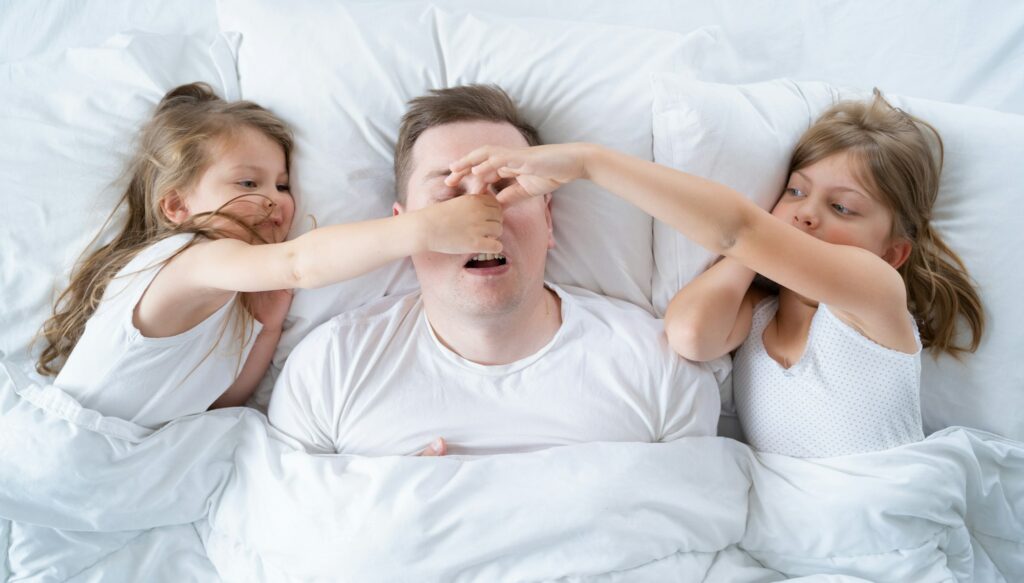
When this happens, oxygen levels can drop and the brain briefly wakes the body to restore breathing. These interruptions may happen dozens or even hundreds of times each night.
Most patients do not remember waking up.
However, their sleep becomes fragmented, preventing them from reaching the restorative stages needed to feel refreshed.
If you are unsure whether your symptoms match sleep apnea, our article on what sleep apnea feels like may help.
Common Symptoms Beyond Fatigue
While excessive daytime sleepiness is common, sleep apnea often causes additional symptoms.
These may include:
- Loud snoring
- Morning headaches
- Brain fog
- Difficulty concentrating
- Irritability
- Memory problems
- Dry mouth upon waking
- Frequent nighttime awakenings
Many people experience several of these symptoms without realizing they may be connected.
You can learn more in our article about the connection between sleep apnea and brain fog.
Chronic Fatigue Is Not Normal
It is easy to normalize exhaustion when life is busy.
Many adults blame work, family responsibilities, aging, or stress for feeling tired all the time.
While these factors can contribute, chronic fatigue should not be considered normal.
Persistent fatigue may indicate that your body is not receiving the restorative sleep it needs.
For some individuals, undiagnosed sleep apnea may be a contributing factor. Learn more in our article on chronic fatigue and undiagnosed sleep apnea.
Could Stress Be the Cause?
Stress can absolutely affect sleep quality.
People under chronic stress often experience:
- Difficulty falling asleep
- Frequent awakenings
- Racing thoughts
- Reduced sleep quality
However, stress and sleep apnea can also occur together.
In fact, poor sleep often increases stress levels, creating a cycle that becomes difficult to break.
Related reading:
- Can Stress Worsen Sleep Apnea?
- Does Stress Aggravate Sleep Apnea?
Sleep Apnea Can Affect More Than Energy Levels
Over time, untreated sleep apnea may impact much more than how rested you feel.
Research has linked untreated sleep apnea to:
- High blood pressure
- Cardiovascular disease
- Type 2 diabetes
- Weight gain
- Cognitive decline
- Increased accident risk
Related resources:
- Type 2 Diabetes and Sleep Apnea
- Sleep Apnea and AFib
- Sleep Apnea and Weight Gain
How Do You Know If Sleep Apnea Is the Problem?
The only way to know for certain is through proper evaluation and testing.
Fortunately, many patients can begin the process with a convenient home sleep study.
Learn more about:
- Benefits of At-Home Sleep Studies
- Understanding Sleep Studies
Testing can help determine whether your fatigue is related to sleep apnea or another sleep-related condition.
Effective Treatment Options Are Available
Many people assume CPAP is the only treatment option.
While CPAP can be highly effective, it is not the right fit for every patient.
Depending on your diagnosis and anatomy, treatment options may include:
- Oral appliance therapy
- Airway-focused dentistry
- Lifestyle modifications
- CPAP therapy
- Other physician-directed treatments
Helpful resources:
- Oral Appliance Therapy
- CPAP vs Oral Appliance Therapy
- Can a Dentist Treat Sleep Apnea?
- What Is an Airway Dentist?
You Should Not Feel Exhausted Every Morning
Waking up tired every day is not something you simply have to accept.
If you consistently feel exhausted despite getting what seems like a full night of sleep, your body may be signaling that something is wrong.
At Houston Sleep Associates, we help patients identify the causes of poor sleep and explore effective treatment options that improve both sleep quality and overall health.
If you are tired of feeling tired, visit our contact page to schedule a consultation and learn whether sleep apnea may be contributing to your symptoms.