

If you've been diagnosed with sleep apnea, there's a good chance your doctor recommended CPAP therapy as your first treatment. For many people, it works well. For others, using a CPAP machine every night feels like an uphill battle. Understanding and Overcoming CPAP Intolerance can be a crucial step for those struggling with this therapy.
If you've found yourself taking the mask off during the night, skipping treatment, or leaving your CPAP machine on the nightstand more often than not, you're not alone. CPAP intolerance is surprisingly common, and it doesn't mean you've failed treatment. It simply means it's time to understand what's causing the problem and explore solutions that fit your lifestyle.
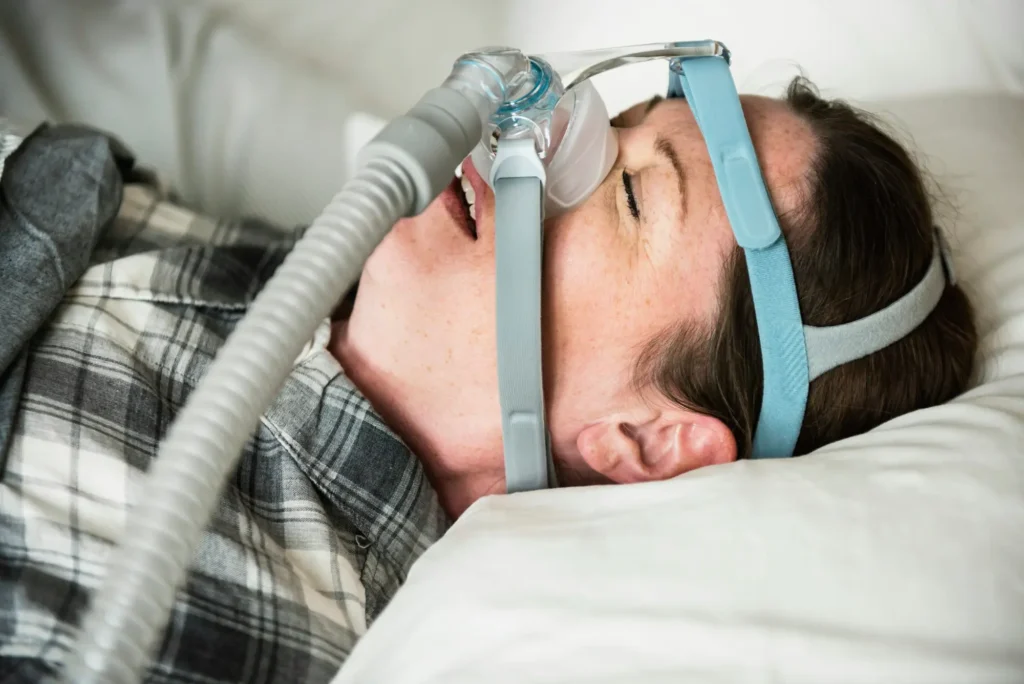
The good news is that there are often ways to make CPAP more comfortable. And if it still isn't the right fit, there are other effective treatment options available.
What Is CPAP Intolerance?
CPAP intolerance describes the difficulty some people have using continuous positive airway pressure therapy consistently. While CPAP is considered one of the most effective treatments for obstructive sleep apnea, its success depends on actually wearing the device every night.
Some people adapt within a few days. Others struggle for weeks or months before giving up completely.
CPAP intolerance can develop for many different reasons, including physical discomfort, anxiety, poor mask fit, or simply finding the equipment difficult to sleep with.
Recognizing the reason behind your discomfort is the first step toward finding a solution.
Common Signs That You're Struggling with CPAP
Many patients experience one or more of these issues:
- Removing the mask while sleeping without realizing it
- Feeling claustrophobic
- Dry mouth or dry nose
- Air leaking around the mask
- Pressure that feels too strong
- Difficulty falling asleep
- Waking up multiple times during the night
- Skin irritation or pressure sores
- Feeling frustrated every evening before bed
If any of these sound familiar, you're certainly not alone.
Why Some People Cannot Get Comfortable with CPAP
There isn't one single cause of CPAP intolerance. Often, several small issues combine to create a frustrating experience.
An uncomfortable mask is one of the biggest reasons people stop treatment. A mask that's too loose leaks air. A mask that's too tight can leave painful marks on your face.
Pressure settings can also make a difference. Some patients feel like they're fighting the machine while trying to breathe naturally.
Others struggle with nasal congestion, allergies, or dry air, making it difficult to breathe comfortably throughout the night.
For some people, simply wearing equipment attached to their face creates anxiety or claustrophobia.
Fortunately, many of these problems have practical solutions.
Simple Ways to Improve CPAP Comfort
Before giving up on CPAP, it's worth trying a few adjustments.
Ask your sleep physician whether a different mask style may fit your face better. There are nasal pillows, nasal masks, and full-face masks, each designed for different sleeping habits and breathing patterns.
Adding a heated humidifier often reduces dryness and irritation.
If pressure feels overwhelming, your physician may be able to adjust your settings or determine whether an automatic CPAP machine would be more comfortable.
Cleaning the equipment regularly also improves comfort and helps prevent unpleasant odors or skin irritation.
Sometimes a combination of small adjustments makes a significant difference.
When CPAP Still Doesn't Work
Even after trying multiple masks and pressure adjustments, some people simply cannot tolerate CPAP therapy.
That doesn't mean your sleep apnea should go untreated.
Untreated obstructive sleep apnea has been associated with:
- Daytime fatigue
- Loud snoring
- Morning headaches
- Difficulty concentrating
- High blood pressure
- Increased cardiovascular risk
- Mood changes
- Reduced quality of life
If CPAP continues to interfere with your sleep rather than improve it, it's time to discuss other evidence-based treatment options.
Oral Appliance Therapy May Be an Effective Alternative
Many patients are surprised to learn they don't necessarily have to sleep with a CPAP machine forever.
For people with mild to moderate obstructive sleep apnea, and for some patients with severe sleep apnea who cannot tolerate CPAP, oral appliance therapy may be an appropriate alternative when recommended by a qualified sleep physician.
These custom-made devices gently reposition the lower jaw while you sleep, helping keep the airway more open.
Unlike over-the-counter mouthguards, prescription oral appliances are individually fitted and adjusted to maximize comfort and effectiveness.
Patients often appreciate that oral appliances are:
- Small and portable
- Quiet
- Easy to travel with
- Comfortable after an adjustment period
- Simple to clean
- Easy to use every night
Many patients who struggled with CPAP find that they are much more consistent with oral appliance therapy because it fits naturally into their nightly routine.
Who Is a Good Candidate for Oral Appliance Therapy?
Not everyone is an ideal candidate, but many patients qualify.
An evaluation may include:
- A review of your sleep study
- Your medical history
- Airway evaluation
- Bite evaluation
- Jaw joint examination
- Discussion of your symptoms and treatment goals
Your provider will determine whether oral appliance therapy is appropriate based on your individual situation.
The Importance of Consistent Treatment
Regardless of which treatment you choose, consistency is what matters most.
Even highly effective therapy cannot improve your health if it sits unused.
Finding a treatment you can comfortably use every night gives you the best chance of improving sleep quality and reducing the long-term health risks associated with obstructive sleep apnea.
When to Schedule an Evaluation
If you've stopped using your CPAP machine or only wear it occasionally, don't assume there are no other options.
An evaluation with a qualified sleep professional can help identify why CPAP has been difficult and determine whether adjustments or alternative treatments may better fit your needs.
Many patients discover that treating sleep apnea becomes much easier once they find a solution they can comfortably use night after night.
Frequently Asked Questions
Can I stop using my CPAP if I don't like it?
Do not stop treatment without speaking with your healthcare provider. Untreated sleep apnea can increase the risk of several health problems. If CPAP is difficult to tolerate, ask about other treatment options.
Is oral appliance therapy as effective as CPAP?
CPAP generally provides the greatest reduction in breathing events when it is used correctly. However, oral appliance therapy is an evidence-based treatment for many patients with obstructive sleep apnea and is often successful because patients are more likely to use it consistently.
Does insurance cover oral appliance therapy?
Many medical insurance plans provide benefits for oral appliance therapy when medically appropriate. Coverage varies by plan, so it's important to verify your specific benefits.
How long does it take to get used to an oral appliance?
Most patients adapt within a few weeks. Your provider can make small adjustments to improve comfort during the adaptation period.
Can untreated CPAP intolerance make sleep apnea worse?
CPAP intolerance itself does not worsen sleep apnea, but going without effective treatment allows the condition to continue, which may increase the risk of ongoing symptoms and long-term health complications.